From towering mountains shaped by tectonic forces to the captivating exhibits of the Fossa Magna Museum, Itoigawa offers a rare chance to walk through millions of years of geological history. Whether you're drawn to natural beauty, cultural heritage, or hands-on exploration, this coastal Niigata gem delivers an unforgettable experience. Plan your journey to a place where science, scenery, and tradition meet—and let Itoigawa’s timeless landscapes inspire your sense of wonder.
Nestled along the rugged coastline of Niigata Prefecture, the Itoigawa UNESCO Global Geopark is one of Japan’s most remarkable natural destinations—a place where the Earth’s history is written across mountains, rivers, and stone. I had the privilege of visiting this extraordinary geopark in September 2017 as part of a delegation of Iranian trainees participating in a JICA-supported program. What we experienced there left a lasting impression: a blend of science, culture, and pristine landscapes that welcomes every traveler with both beauty and meaning.
Our stay began at Hotel Geopark, a warm and comfortable base that sits right within the heart of Itoigawa. From the windows, we could see a tapestry of mountain ridges and coastal scenery that hinted at the geological wonders awaiting us. The hospitality was distinctly local—simple, sincere, and deeply connected to the region’s identity.
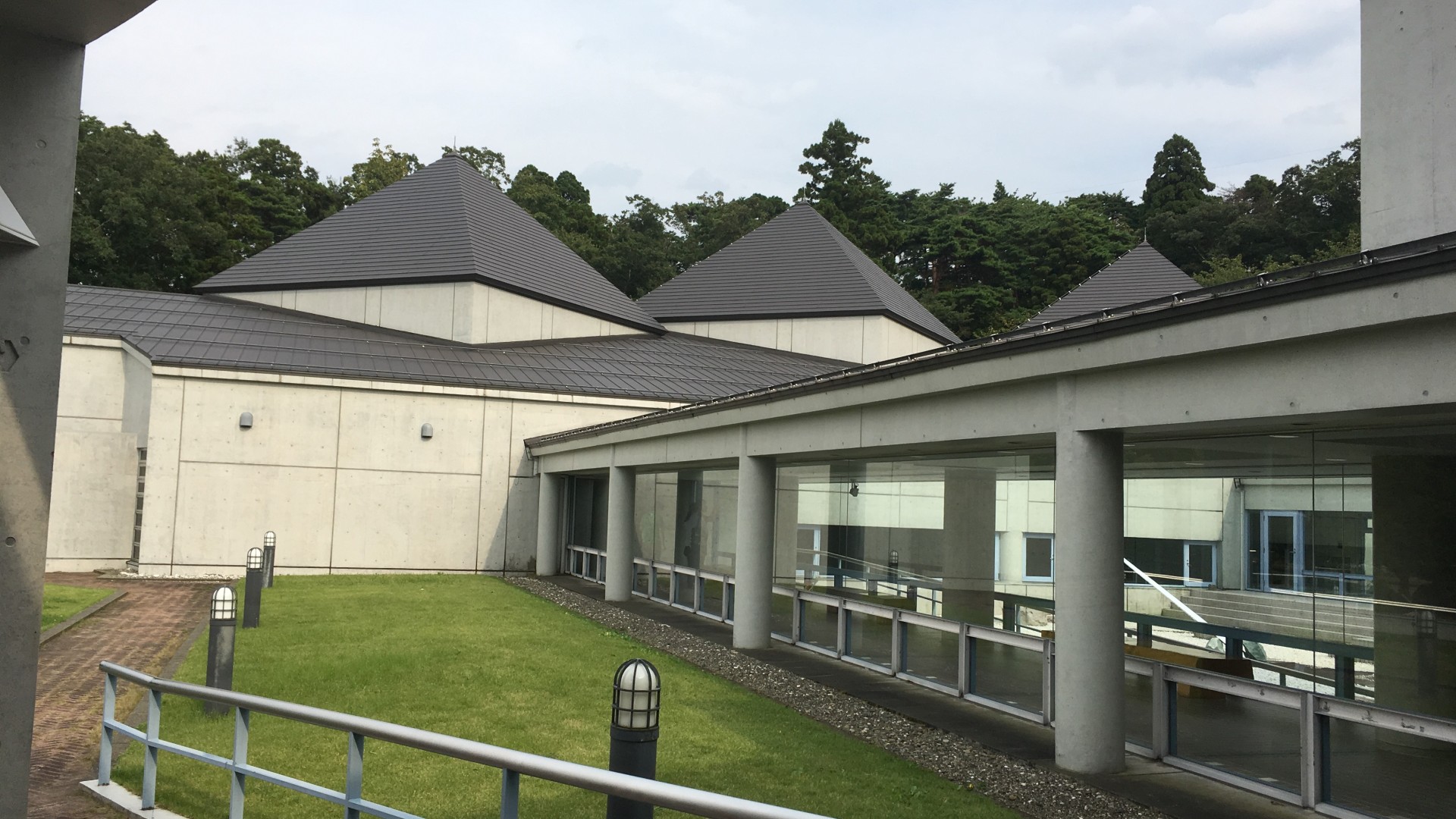
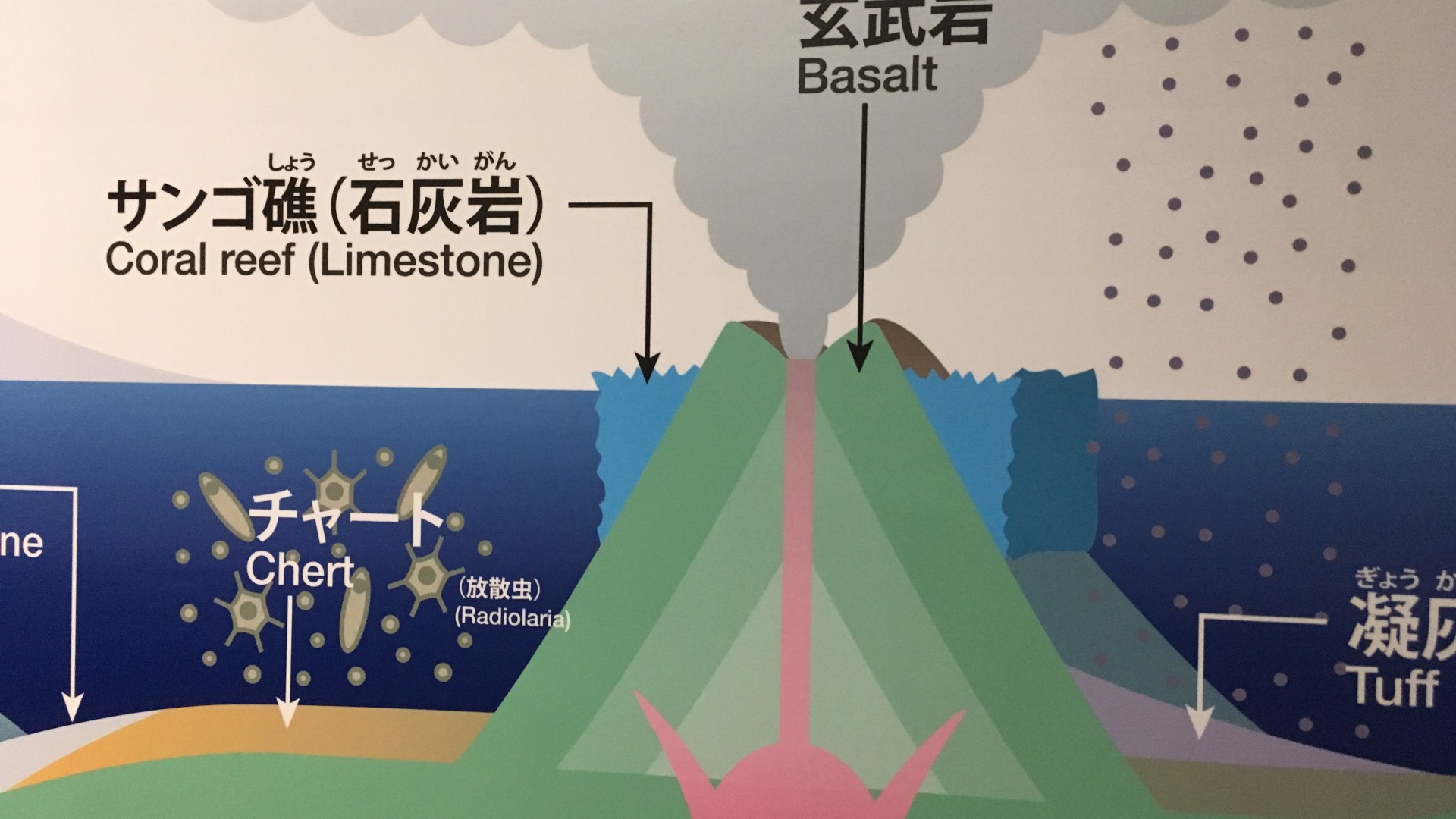
The center of our learning was the Fossa Magna Museum, one of the most fascinating geological museums in Japan. The Fossa Magna, often described as Japan’s “great rift,” is a major geological boundary that helped shape the Japanese archipelago. Inside the museum, interactive exhibits explained how the islands were formed, why Itoigawa is a hotspot for rare rocks and minerals, and how this region became a birthplace of geological research in the country. The museum’s vast jade collection—celebrated because Itoigawa is the cradle of Japan’s jade culture—was a highlight. These polished stones, shimmering in shades from pale green to deep emerald, illustrated how geology and human history have been intertwined here for thousands of years.
But the most powerful part of our visit was stepping directly into the landscape. We traveled into the surrounding mountains to observe an exposed geological fault, a rare and striking feature that reveals how tectonic forces have shaped this region. Standing at the site, we could literally touch layers of rock formed millions of years apart, pressed together by Earth’s slow but relentless movements. It was the kind of moment that makes geology come alive—not as something abstract in textbooks, but as a living record beneath your feet.
Beyond education, Itoigawa offers a peaceful charm that makes it appealing to any traveler. The town is lined with friendly shops, fresh seafood markets, and quiet streets that lead to sweeping sea views. One of the joys of visiting a geopark is discovering how nature, culture, and daily life blend seamlessly. In Itoigawa, traditional cuisine, local crafts, and small community events all feel linked to the land’s ancient story.
Whether you’re a geology enthusiast, a cultural traveler, a student, or simply someone who loves exploring new corners of the world, Itoigawa UNESCO Global Geopark offers something special. It is a place to learn, to experience, and to connect—with nature, with history, and with the people who call this region home.
Our 2017 journey was educational and inspiring, but what stayed with me most was the sense of wonder that Itoigawa evokes. It is not merely a destination; it is an open-air museum of the planet itself, ready to welcome curious minds from around the world.
By: Mazia Adab